


 Send Inquiry
Nickel Sulfate
Nickel Sulfate Specification
- Structural Formula
- NiSO47H2O
- Storage
- Store in a cool, dry, well-ventilated area, away from incompatible substances
- Melting Point
- >100C (dehydrates and decomposes before melting)
- HS Code
- 28332500
- Place of Origin
- India
- Boiling point
- Not applicable (decomposes before boiling)
- Solubility
- Freely soluble in water
- Poisonous
- Yes (harmful if ingested or inhaled)
- Smell
- Odorless
- Molecular Weight
- 262.85 g/mol (heptahydrate)
- Ph Level
- 4.0-4.5 (1% solution)
- Flash Point
- Non-flammable
- Water Insoluble
- <0.01%
- Application
- Electroplating, catalyst manufacture, laboratory reagent
- Color
- Green
- EC Number
- 232-104-9
- Hazard Class
- 6.1 (Toxic substances)
- Density
- 2.07 g/cm3 (hexahydrate)
- pH of 5% Solution
- ~4.5
- Purity
- 98% Min
- CAS Number
- 10101-97-0
- Refractive Index
- 1.510 (hexahydrate)
- Shelf Life
- 2 years under recommended storage
- Appearance
- Bluish-green or emerald green monoclinic crystals
- Crystal Structure
- Monoclinic (hexahydrate form)
- Packaging Type
- 25 kg bag/drum or as required
- Physical State
- Crystalline solid
Nickel Sulfate Trade Information
- Minimum Order Quantity
- 100 Kilograms
- Supply Ability
- 10000 Kilograms Per Month
- Delivery Time
- 1 Days
About Nickel Sulfate
Used as a common source of nickel sulphate in the laboratory and in electroplating baths, our nickel sulphate is a chemical compound available in blue colored salt. Some of the special features of Nickel Sulfate comprises of the following:
Features:
- Efficient working
- Definite composition
- Used in electroplating baths
Uses : Used as a common source of Nickel Sulphate in the laboratory and in electroplating baths, our nickel sulphate is a chemical compound available in blue colored salt.
Specifications:
- Molecular Formula: NISO46H2O
- Mol. Wt: 262.85
- Description: Emerald Green Crystal of Crystalline Powder
- Solution (10% W/v 5N HCL): Almost Clear
- Assay (as Ni) % w/w: 21-23 Maximum Limits of Impurities
- Chloride (Cl) % w/w: 0.01
- Sulphate (SO4) % w/w: 0.5
- Iron (Fe) % w/w: 0.02
- Nitrate (NO3) % w/w: 0.001
Other Information
- Minimum Order Quantity: 5 Kilogram(s)
Versatile Industrial Applications
Nickel Sulfate is preferred in electroplating industries for delivering smooth, corrosion-resistant nickel coatings. Its also essential in manufacturing catalysts and for use as a laboratory reagent. Its controlled purity and excellent solubility ensure consistent performance and reliable outcomes in various industrial processes.
Consistent Physical Properties
With a density of 2.07 g/cm (hexahydrate) and a distinct green monoclinic crystalline appearance, Nickel Sulfate stands out for its stability. The refractive index of 1.510 and pH stability (~4.0-4.5 in solution) make it suitable for precise chemical formulations and industrial uses.
Safe Handling and Storage
Given its toxic classification (Hazard Class 6.1), Nickel Sulfate must be handled with care. Store in tightly sealed containers in cool, dry, and ventilated conditions away from incompatible substances. The product does not burn but should still be handled using appropriate personal protective equipment and standard safety protocols.
FAQs of Nickel Sulfate:
Q: How should Nickel Sulfate be stored to ensure its maximum shelf life?
A: Nickel Sulfate should be kept in a cool, dry, and well-ventilated location, sealed tightly in its original packaging or compatible containers. Proper storage prevents moisture absorption, contamination, and decomposition, ensuring a shelf life of up to two years.Q: What processes commonly utilize Nickel Sulfate and why is it preferred?
A: Electroplating is the primary process utilizing Nickel Sulfate due to its high purity and excellent solubility. These qualities ensure uniform nickel deposition, resulting in corrosion-resistant finishes. It is also used in catalyst manufacture and as a laboratory reagent for reliable chemical reactions.Q: When is Nickel Sulfate considered hazardous and what precautions are necessary during use?
A: Nickel Sulfate is classified as a toxic substance (Hazard Class 6.1) and is harmful if ingested or inhaled. Workers should wear protective gloves, masks, and safety goggles. Adequate ventilation and spill containment measures are recommended during handling and processing.Q: Where is Nickel Sulfate supplied from and in what packaging options?
A: Nickel Sulfate is manufactured and exported from India. It is typically supplied in 25 kg bags or drums, but custom packaging options are available as required by the customer or application needs.Q: What are the physical characteristics of Nickel Sulfate?
A: Nickel Sulfate appears as bluish-green to emerald green monoclinic crystals, is odorless, and has a density of 2.07 g/cm (hexahydrate). It is non-flammable, freely soluble in water, and stable under standard storage conditions.Q: Can Nickel Sulfate be used in aqueous processes and what benefit does its solubility offer?
A: Yes, Nickel Sulfate is highly soluble in water with water-insoluble content below 0.01%. This excellent solubility facilitates fast and uniform mixing in aqueous processes such as electroplating baths, maximizing efficiency and performance.Q: What is the benefit of using Nickel Sulfate with a minimum 98% purity in industrial applications?
A: High purity Nickel Sulfate ensures minimal contamination and unwanted reaction byproducts. This results in consistent, high-quality outcomes in sensitive applications like electroplating and catalyst production.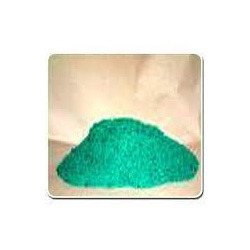

Price:
- 50
- 100
- 200
- 250
- 500
- 1000+

More Products in Nickle Salts Category
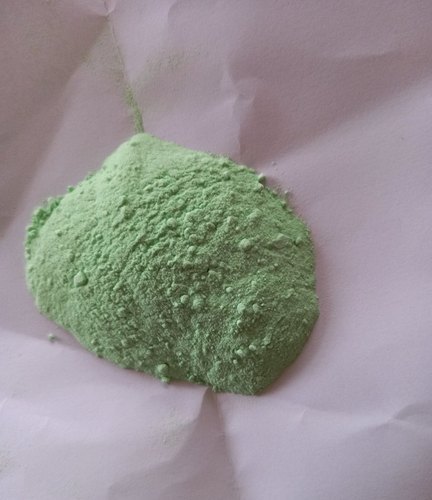
NICKEL FLUORIDE
Minimum Order Quantity : 10 Kilograms
Structural Formula : NiF2
HS Code : 28262990
Melting Point : > 850C
Storage : Other, Store in tightly closed containers under dry conditions
Application : Other, Laboratory reagent, catalysts, chemical synthesis
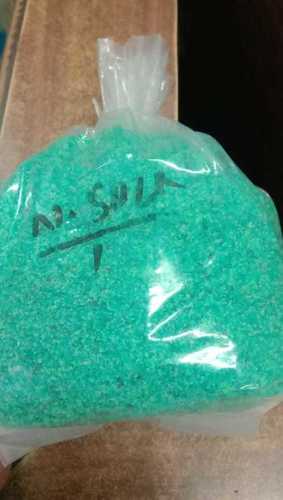
Bright Nickel Salt
Minimum Order Quantity : 100 Kilograms
Structural Formula : NiSO46H2O
HS Code : 28332990
Melting Point : > 400C (decomposes)
Storage : Other, Store in a cool, dry place, away from direct sunlight
Application : Other, Electroplating, Surface finishing
Nickel Nitrate Hexahydrate
Minimum Order Quantity : 100 Kilograms
Structural Formula : Ni(NO3)26H2O
HS Code : 28342990
Melting Point : 56C
Storage : Other, Store in tightly closed containers, in a cool, dry, wellventilated area away from heat and incompatible materials
Application : Other, Electroplating, catalyst, laboratory reagent, ceramics, metal surface treatment
Nickel Carbonate
Minimum Order Quantity : 100 Kilograms
Structural Formula : NiCO3
HS Code : 28369990
Melting Point : Decomposes before melting
Storage : Other, Store in tightly closed containers, in a cool, dry and wellventilated area
Application : Other, Electroplating, catalyst, ceramics, pigments, nickel salt production

Manufacturer of Tungsten salt,molybdenum salt,selenium salt, tin salt and specialty of oil additives.


 Send Inquiry
|


Developed and Managed by Infocom Network Private Limited.
