


 Send Inquiry
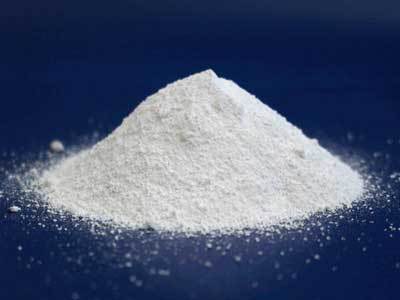
Molybdenum Trioxide
Molybdenum Trioxide Specification
- Solubility
- Insoluble in water, soluble in alkalis and acids
- Boiling point
- 1155C
- Smell
- Odorless
- Poisonous
- Yes, toxic if ingested or inhaled
- Molecular Weight
- 143.94 g/mol
- Place of Origin
- India
- Ph Level
- 7 (Neutral)
- Melting Point
- 795C
- Structural Formula
- MoO3
- Water Insoluble
- Yes
- HS Code
- 28259040
- Application
- Used in ceramics, catalysts, pigments, metallurgy, and as a flame retardant
- Color
- White to Light Yellow
Molybdenum Trioxide Trade Information
- Minimum Order Quantity
- 50 Kilograms
- Supply Ability
- 100 Kilograms Per Month
- Delivery Time
- 1 Week
About Molybdenum Trioxide
Banking on the support of our personnel team, we have established ourselves as one of the reputed suppliers of Molybdenum Trioxide. These are offered to our clients at economically viable prices, as per their customized requirements. Further, our personnel ensure that these product meet the set quality standards. The product is fabricated according to prevailing methodologies using quality chemicals. These are widely used as reagents, catalysts in painting, brightening agents, dyes, colors and feed.
Features:
- Used as oxidation catalyst in chemistry
- Best suites to mix with steel and corrosion-resistant alloys as an additive
- Soluble in water
- Orthorhombic crystal structure
- Free from foreign materials
- React vigorously with other chemicals
- Accurate pH value and volatile in nature
Specifications:
CAS No. : 1313-27-5
| MoO3 | MOL. W. 143.94 |
| Color | White, Yellow |
| Assay | 99.0% Min. |
| Chloride (Cl) | 0.005% Max. |
| Sulphate (SO4) | 0.01% Max. |
| Ph. Ar. Si.( PO4) | 0.002% Max. |
| Iron (Fe) | 0.002% Max. |
| Ammonium (NH4) | 0.01% |
Diverse Industrial Applications
Molybdenum Trioxide serves many industries, such as ceramics, metallurgy, and flame retardants. Its solubility in acids and alkalis makes it a preferred choice for chemical syntheses and catalysis. The compound is highly valued for its thermal properties, making it an essential additive in high-performance materials and specialty glass production.
Safety and Handling Precautions
As a toxic substance, Molybdenum Trioxide requires careful handling. Always use personal protective equipment when working with this chemical to avoid ingestion or inhalation. Store it in a dry, cool place, away from food sources, and ensure proper ventilation in the work environment to minimize exposure risks.
FAQs of Molybdenum Trioxide:
Q: How is Molybdenum Trioxide commonly applied in industrial settings?
A: Molybdenum Trioxide is widely used as a precursor for producing molybdenum metal, as a catalyst in various chemical processes, and as an additive in ceramics, pigments, and flame retardant formulations due to its thermal stability and reactivity.Q: What are the primary benefits of using Molybdenum Trioxide in ceramics and metallurgy?
A: Its high melting point and robust chemical properties allow it to enhance the durability and performance of ceramics and metal alloys. It can improve wear resistance and mechanical stability in end products.Q: When should precautions be taken while handling Molybdenum Trioxide?
A: Precautions are necessary at all stagesstorage, handling, and processingbecause the compound is toxic if ingested or inhaled. Use appropriate protective gear and work in a well-ventilated area to ensure safety.Q: Where is this compound manufactured and exported from?
A: Molybdenum Trioxide listed here is manufactured and supplied from India, serving customers both domestically and internationally as a high-quality chemical raw material.Q: What makes Molybdenum Trioxide suitable as a catalyst?
A: Its stability under high temperatures and its ability to facilitate various chemical reactions make it an effective catalyst in petroleum refining, oxidation reactions, and other industrial processes.Q: How should Molybdenum Trioxide be stored given its physical and chemical properties?
A: Store the compound in a dry, secure location away from incompatible substances, ensuring containers are tightly sealed and clearly labeled. Keep it out of reach of unauthorized personnel to prevent accidental exposure.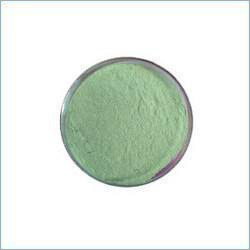

Price:
- 50
- 100
- 200
- 250
- 500
- 1000+

More Products in Molybdenum Salts Category
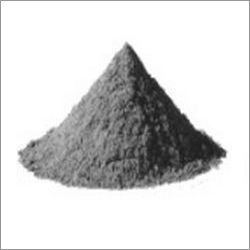
Molybdenum Disulphide
Minimum Order Quantity : 50 Kilograms
Water Insoluble : Yes
HS Code : 28539090
Color : Other, Greyish black
Melting Point : 1185C
Smell : Other, Odorless
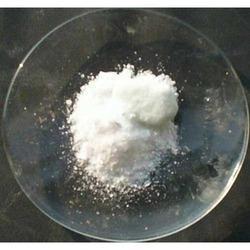
Molybdic Acid Cadmium
Minimum Order Quantity : 50 Kilograms
Water Insoluble : No
HS Code : 2841
Color : Other, Light Yellow
Melting Point : 461C (Decomposes)
Smell : Other, Odorless
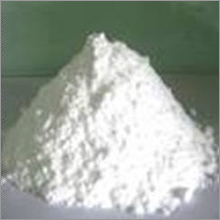
Sodium Molybdate
Minimum Order Quantity : 50 Kilograms
Water Insoluble : 0.5% max
HS Code : 28417090
Color : White
Melting Point : 687C
Smell : Other, Odorless
Ammonium Metatungstate
Minimum Order Quantity : 50 Kilograms
Water Insoluble : < 0.01%
HS Code : 28418000
Color : Other, White crystal or powder
Melting Point : Decomposes above 400C
Smell : Other, Odorless

Manufacturer of Tungsten salt,molybdenum salt,selenium salt, tin salt and specialty of oil additives.


 Send Inquiry
|


Developed and Managed by Infocom Network Private Limited.
