


 Send Inquiry
Bismuth (III) Molybdate
Bismuth (III) Molybdate Specification
- Poisonous
- Non-toxic under standard conditions
- Place of Origin
- India
- Solubility
- Insoluble in water; soluble in acids
- Storage
- Store in tightly sealed container, away from moisture
- Structural Formula
- Bi2(MoO4)3
- Melting Point
- 725C
- Molecular Weight
- 624.98 g/mol
- Water Insoluble
- Yes
- Ph Level
- Neutral (around 7)
- Smell
- Odorless
- Boiling point
- Decomposes before boiling
- HS Code
- 28419090
- Application
- Used as catalyst in industrial processes, pigment, and ceramics
- Color
- Yellow
- Density
- 6.3 g/cm3
- Transport
- Non-hazardous material
- Stability
- Stable under recommended storage conditions
- CAS Number
- 21212-53-9
- Shelf Life
- 2 years under proper storage
- Particle Size
- 50 micron
- Purity
- 99.5% minimum
- Form
- Powder
- Grade
- ACS, Analytical Grade
Bismuth (III) Molybdate Trade Information
- Minimum Order Quantity
- 50 Kilograms
- Supply Ability
- 100 Kilograms Per Month
- Delivery Time
- 1 Week
About Bismuth (III) Molybdate
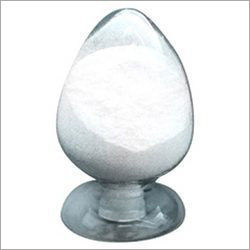
Bismuth (III) Molybdate
Bismuth (III) Molybdate is known as the most diamagnetic of all metals and is known for its thermal conductivity. It has high electrical resistance when came in contact with the magnetic field. This is also utilized as a byproduct of lead, molybdenum, copper, tungsten extraction and tin. Bismuth (III) Molybdate is accessible with high efficiency and high shelf life. It allows for the efficient removal of formaldehyde even at low temperature.
Specifications:
| Linear Formula | Bi2(MoO4)3 |
| Molecular Weight | 897.77 |
| Appearance (Color) | Yellow Powder |
| Purity | 99.0% |
Versatile Applications Across Industries
Bismuth (III) Molybdate serves as a reliable catalyst in various industrial processes, particularly in oxidation reactions. Its vibrant yellow color also makes it suitable for pigments and ceramics manufacturing. With premium purity and reliable analytical grade, it caters to laboratories, chemical industries, and research institutions worldwide.
Safe Handling and Storage Guidance
This compound is non-toxic under standard conditions and considered non-hazardous during transport, providing a safer option for users. It should be stored in a tightly sealed container away from moisture to extend its shelf life up to two years. Proper storage ensures stability and maintains its analytical integrity.
FAQs of Bismuth (III) Molybdate:
Q: How should Bismuth (III) Molybdate be stored to maximize its shelf life?
A: For optimal longevity, store Bismuth (III) Molybdate in a tightly sealed container, protected from moisture, in a cool, dry place. Proper storage conditions can extend its shelf life to up to two years.Q: What industries commonly use Bismuth (III) Molybdate and for what applications?
A: Bismuth (III) Molybdate is widely utilized as a catalyst in industrial chemical reactions, as a yellow pigment in coatings, and in ceramic manufacturing processes, due to its stability and vibrant color.Q: When does Bismuth (III) Molybdate decompose or melt?
A: This compound has a melting point of 725C and decomposes before boiling, making it suitable for high-temperature applications where thermal stability is essential.Q: Where is Bismuth (III) Molybdate manufactured and supplied from?
A: Bismuth (III) Molybdate is manufactured, supplied, and exported from India by reputable suppliers to industries and research laboratories worldwide.Q: What are the benefits of using Bismuth (III) Molybdate in catalytic processes?
A: Its high purity, analytical grade quality, and ability to act as an effective oxidation catalyst provide efficiency advantages in various chemical and industrial syntheses.Q: Is Bismuth (III) Molybdate safe and non-hazardous for transport and handling?
A: Yes, under standard conditions, Bismuth (III) Molybdate is non-toxic, odorless, water-insoluble, and considered non-hazardous to handle or transport.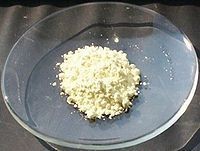

Price:
- 50
- 100
- 200
- 250
- 500
- 1000+

More Products in Molybdenum Salts Category
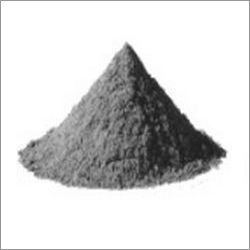
Molybdenum Disulphide
Minimum Order Quantity : 50 Kilograms
Melting Point : 1185C
Molecular Weight : 160.07 g/mol
Structural Formula : MoS
Smell : Other, Odorless
Water Insoluble : Yes
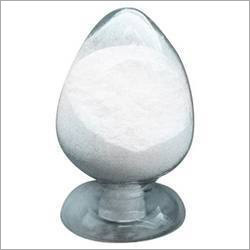
Molybdic Acid
Minimum Order Quantity : 50 Kilograms
Melting Point : 300C (decomposes)
Molecular Weight : 161.95 g/mol
Structural Formula : H2MoO4
Smell : Other, Odorless
Water Insoluble : Insoluble in organic solvents
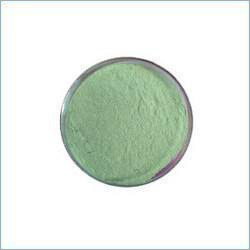
Molybdenum Trioxide
Minimum Order Quantity : 50 Kilograms
Melting Point : 795C
Molecular Weight : 143.94 g/mol
Structural Formula : MoO3
Smell : Other, Odorless
Water Insoluble : Yes
Ammonium Para Molybdate
Minimum Order Quantity : 50 Kilograms
Melting Point : Approx. 190C (decomposes)
Molecular Weight : 1,236.13 g/mol
Structural Formula : (NH4)6Mo7O244H2O
Smell : Other, Odorless
Water Insoluble : Negligible

Manufacturer of Tungsten salt,molybdenum salt,selenium salt, tin salt and specialty of oil additives.


 Send Inquiry
|


Developed and Managed by Infocom Network Private Limited.
