


 Send Inquiry
Stannous Chloride
Stannous Chloride Specification
- Storage
- Store in a tightly closed container in a cool, dry, well-ventilated area, away from moisture and oxidizing agents
- Structural Formula
- SnCl22H2O
- Ph Level
- 22.2 (for 10% solution)
- Molecular Weight
- 189.6 g/mol
- Flash Point
- Non-Flammable
- Water Insoluble
- Practically none
- HS Code
- 2827.39.00
- Poisonous
- Yes, toxic if ingested or inhaled
- Melting Point
- 246 C
- Place of Origin
- India
- Solubility
- Soluble in water, ethanol, and glycerol
- Boiling point
- 652 C (decomposes)
- Smell
- Odorless
- Application
- Used in electroplating, as a reducing agent, tin plating, chemical synthesis, dyeing, pharmaceutical intermediates
- Color
- White to off-white crystalline solid
- Grade
- Industrial / Laboratory Grade
- Packing Type
- 25 kg HDPE bag with inner liner
- Physical State
- Crystalline powder
- CAS Number
- 10025-69-1
- Synonyms
- Tin(II) chloride, Tin dichloride
- Density
- 2.71 g/cm3
- Shelf Life
- 2 years when properly stored
- Appearance
- White crystalline solid
- Form
- Solid
- Purity
- 99% minimum
Stannous Chloride Trade Information
- Minimum Order Quantity
- 10 Kilograms
- Supply Ability
- 100 Kilograms Per Day
- Delivery Time
- 1 Week
About Stannous Chloride
We are offering our clients an impeccable range of Stannous Chloride that is processed using fine grade basic chemicals. This chloride is widely used as sensitizing agent in glass and plastic for metalization and also as an intermediate catalyst in production of pharmaceutical products. Offered chloride is available with us in different moisture free packages at reasonable prices. Provided Stannous Chloride is tested on various parameters to assure its high purity at clients end.
Features:
- High boiling and melting point
- Soluble in water
- Accurate composition
- Moisture sensitive
STANNOUS CHLORIDE
| CAS No. | 7772-99-8 |
| Chemical Name | STANNOUS CHLORIDE |
| Molecular Formula | SnCl2 |
| Formula Weight | 189.62 |
| MOL File | 772-99-8 |
STANNOUS CHLORIDE Property
| mp | 246 oC(lit.) |
| bp | 652 oC(lit.) |
| density | 3.95 |
| solubility | H2O: soluble |
| form | White Crystalline Powder |
| Sensitive | Air Sensitive & Hygroscopic |
| Stability | Stable, but moisture sensitive |
Key Applications and Benefits
Stannous Chloride serves pivotal roles across multiple industries. Commonly utilized in electroplating, it delivers reliable surface finishing for metals. As a reducing agent, its vital in dyeing and chemical synthesis processes. Pharmaceutical manufacturers employ it as an intermediate. Users benefit from its high purity and superior solubility, ensuring consistent results and process efficiency. Its functional versatility makes it a staple in many industrial and laboratory settings.
Proper Storage and Handling Guidelines
To maintain the products stability and purity, Stannous Chloride should always be stored in tightly sealed containers, away from moisture and oxidizing agents, in well-ventilated, cool, and dry areas. Due to its toxic nature, using personal protective equipment and appropriate ventilation is strongly recommended during handling. Adhering to these guidelines will help ensure a shelf life of up to two years and safeguard user safety.
FAQs of Stannous Chloride:
Q: How should Stannous Chloride be stored to maximize its shelf life?
A: Store Stannous Chloride in a tightly closed container, placed in a cool, dry, well-ventilated area away from moisture and oxidizing agents. Proper storage under these conditions can help maintain its quality and extend its shelf life up to two years.Q: What are the main industrial applications of Stannous Chloride?
A: Stannous Chloride is commonly used in electroplating, tin plating, as a reducing agent in dyeing and chemical synthesis, and as an intermediate in pharmaceutical manufacturing processes. Its effectiveness in these roles stems from its high purity and solubility.Q: When should I use Stannous Chloride in a laboratory setting?
A: Use Stannous Chloride when you require a dependable reducing agent or need a substance for tin plating, dyeing, or synthesis of chemicals. Its industrial and laboratory grade quality ensures consistent results for various scientific and technical processes.Q: Where is Stannous Chloride manufactured and supplied from?
A: This product is manufactured and exported from India, with suppliers offering it worldwide in secure 25 kg HDPE bags with inner liners to ensure safe transit and storage.Q: What safety precautions are necessary when handling Stannous Chloride?
A: Due to its toxicity if ingested or inhaled, always handle Stannous Chloride with appropriate protective gear such as gloves, eye protection, and a mask. Ensure the workspace is well-ventilated to avoid inhaling any dust or fumes.Q: How is Stannous Chloride used in electroplating processes?
A: In electroplating, Stannous Chloride acts as a source of tin ions that deposit onto the target metal surface, providing corrosion resistance and a bright finish. Its high solubility in water ensures efficient application during this process.Q: What benefits does Stannous Chloride offer in chemical synthesis?
A: Stannous Chloride is an effective reducing agent, facilitating a variety of reduction reactions in chemical synthesis. Its consistent composition and reactivity make it highly valued for producing reliable and reproducible results.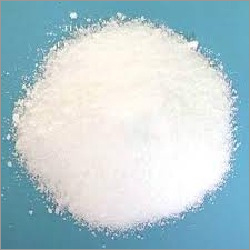

Price:
- 50
- 100
- 200
- 250
- 500
- 1000+

More Products in STANNOUS SALTS Category
Stannous Sulphate
Minimum Order Quantity : 10 Kilograms, ,
Place of Origin : India
Color : Other, White to offwhite crystalline powder
Molecular Weight : 214.77 g/mol
Water Insoluble : Less than 0.1%
Poisonous : Other, Toxic if ingested, causes irritation
Sodium Stannate
Minimum Order Quantity : 10 Kilograms
Place of Origin : India
Color : White
Molecular Weight : 266.71 Kilograms (kg)
Water Insoluble : 0.2%

Manufacturer of Tungsten salt,molybdenum salt,selenium salt, tin salt and specialty of oil additives.


 Send Inquiry
|


Developed and Managed by Infocom Network Private Limited.
