


 Send Inquiry
sodium selenate
Price 1900 INR/ Kilograms
sodium selenate Specification
- Structural Formula
- Na2SeO4
- Flash Point
- Non-flammable
- Molecular Weight
- 188.96 g/mol
- Smell
- Odorless
- Poisonous
- Yes, toxic if ingested or inhaled
- Boiling point
- Not applicable (decomposes before boiling)
- Solubility
- Soluble in water
- HS Code
- 28429090
- Place of Origin
- India
- Water Insoluble
- Negligible
- Storage
- Store in tightly closed containers in a cool, dry, and well-ventilated place. Protect from moisture and incompatible materials.
- Ph Level
- 7.0 9.0 (1% solution)
- Melting Point
- Approximately 180 C (decomposes)
- Application
- Glass manufacturing, chemical reagents, animal feed additives, agriculture (micronutrient source)
- Color
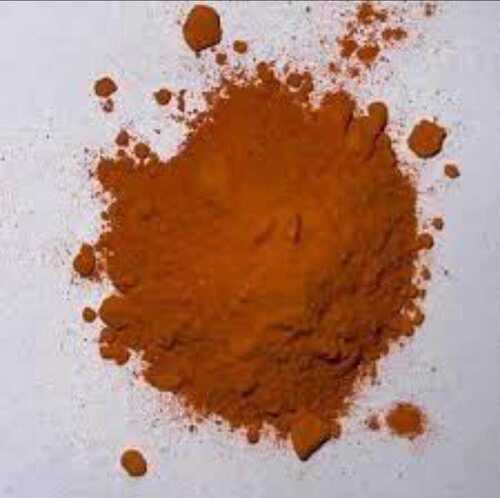
- White to slightly off-white crystalline powder
- Packaging
- 25 kg fiber drums or as per customer requirement
- Density
- 3.098 g/cm3 (at 20C)
- Purity
- 98%
- Stability
- Stable under normal conditions
- Shelf Life
- 2 years in proper storage conditions
- Reactivity
- Reacts with strong acids to release toxic selenium fumes
- Grade
- Technical, Analytical
- CAS Number
- 13410-01-0
- Appearance
- Fine crystalline material
sodium selenate Trade Information
- Minimum Order Quantity
- 100 Kilograms, ,
- Supply Ability
- 100 Kilograms, , Per Month
- Delivery Time
- 1 Week
About sodium selenate
Selenous Acid
Selenious acid is the acid form of sodium selenite, a form of selenium. This is an antioxidant as well as an essential trace element. This is a cofactor metabolic enzyme which has an important role in upholding the general health of muscle and tissue. Selenious acid is accessible with numerous antioxidant properties. Its utilization can protect as well as change the color of steel. Many cold-bluing process make use of this acid. It changes the color of the steel from silver-grey to black or blue-grey.
Selenous Acid or selenious acid is the chemical compound with the formula H2SeO3. Structurally, it is more accurately described by (HO)2SeO. It is the principal oxoacid of selenium; the other being Selenic Acid.
Specification
| Specifications- | Vanadyl Sulphate |
| Product | Selenous Acid |
| Structural formula |
|
| CAS No. | [7783-00-8] |
| Molecular formula | H2SeO3 |
| Molecular weight | 128.97 |
| Description | white to off-white hygroscopic crystalline mass. |
| Vanadium | Min. 0.1 % |
| Assay | Between 93.0% and 101.0%. |

Versatile Applications Across Industries
Sodium selenate is a critical ingredient in several industries, notably glass manufacturing and agriculture. It acts as an essential micronutrient in animal feed and fertilizers, promoting healthy growth. Chemical manufacturers also use it as a specific reagent in analytical processes due to its high purity and stability. The compounds solubility ensures it integrates smoothly into various industrial workflows.
Ensuring Safe Storage and Handling
Due to its toxic nature, proper storage and handling of sodium selenate are vital. Store it in tightly closed containers in cool, dry, and well-ventilated spaces, away from moisture and reactive substances, particularly strong acids. Always use protective equipment when handling and follow safety guidelines to minimize risk. The products two-year shelf life assures consistent performance when stored correctly.
FAQs of sodium selenate:
Q: How should sodium selenate be stored to maintain optimal stability?
A: Store sodium selenate in tightly closed containers in a cool, dry, and well-ventilated area. Protect the material from moisture and keep it away from incompatible substances, especially strong acids, to preserve its two-year shelf life and ensure safety.Q: What are the primary uses of sodium selenate in industry?
A: Sodium selenate is commonly used in glass manufacturing, as a reagent in chemical analysis, as a micronutrient additive in agriculture, and in animal feed formulations. Its solubility and purity make it valuable for precise industrial and scientific applications.Q: When is sodium selenate considered stable for use?
A: The compound is stable under normal storage and handling conditions. Avoid exposure to strong acids, which can cause it to release toxic selenium fumes, compromising safety and stability.Q: Where does the sodium selenate offered by your company originate from?
A: Our sodium selenate is manufactured and supplied from India, adhering to high-quality standards to meet export and domestic demands.Q: What is the recommended process for packaging sodium selenate for shipment?
A: Sodium selenate is typically packed in 25 kg fiber drums to ensure safety during transportation. Custom packaging can be arranged as per customer requirements to meet specific logistics and storage needs.Q: How can sodium selenate benefit agricultural practices?
A: When used as a micronutrient source, sodium selenate supports plant growth and increases crop yield by addressing selenium deficiencies in soil. It also enhances animal feed by supplementing essential selenium for livestock health.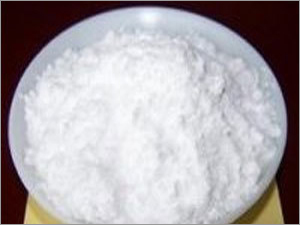

Price:
- 50
- 100
- 200
- 250
- 500
- 1000+

More Products in Selenium Salts Category
Selenous Acid
Price 1900 INR / Kilograms
Minimum Order Quantity : 10 Kilograms
Molecular Weight : 128.97 g/mol
Smell : Other, Odorless
Boiling point : 130 C (decomposes)
Poisonous : Other, Yes, toxic if ingested or inhaled
Selenium Dioxide Powder
Minimum Order Quantity : 100 Kilograms
Molecular Weight : 110.96 g/mol
Smell : Other, Sharp, pungent odor
Boiling point : 315C (sublimation)
Poisonous : Other, Yes, toxic if inhaled or ingested
Sodium Selenite Powder
Minimum Order Quantity : 100 Kilograms
Molecular Weight : 172.94 g/mol
Smell : Other, Odorless
Boiling point : Not available (decomposes)
Poisonous : Other, Yes, toxic by ingestion

Manufacturer of Tungsten salt,molybdenum salt,selenium salt, tin salt and specialty of oil additives.


 Send Inquiry
|


Developed and Managed by Infocom Network Private Limited.
