


 Send Inquiry
Potassium Iodate
MOQ : 10 Kilograms
Potassium Iodate Specification
- Storage
- Store in cool, dry, and well-ventilated place, away from sunlight and moisture
- Smell
- Odorless
- HS Code
- 28299030
- Place of Origin
- India
- Molecular Weight
- 214.00 g/mol
- Water Insoluble
- <0.01% (max)
- Boiling point
- Decomposes before boiling
- Ph Level
- Neutral (7)
- Poisonous
- Non-Poisonous
- Melting Point
- 560C
- Structural Formula
- KIO3
- Solubility
- Soluble in water
- Application
- Iodization of salt, pharmaceutical, analytical reagent, oxidizing agent
- Color
- White
- Packaging
- 25 kg HDPE Bags / Drums
- CAS No.
- 7758-05-6
- Density
- 3.89 g/cm3
- Lead Content
- NMT 10 ppm
- Molar Mass
- 214.001 g/mol
- Stability
- Stable under recommended storage conditions
- Appearance
- Free-flowing powder
- Shelf Life
- 24 Months
- Purity
- 99% Min
- Grade Standard
- Industrial Grade / Food Grade
- EC Number
- 231-831-9
- Physical State
- Crystalline Powder
- Chloride Content
- NMT 0.01%
- Minimum Order Quantity
- 25 kg
- pH (5% solution)
- 5.0-8.0
Potassium Iodate Trade Information
- Minimum Order Quantity
- 10 Kilograms
- Supply Ability
- 100 Kilograms Per Day
- Delivery Time
- 1 Week
About Potassium Iodate
Specification
| Name | Potassium iodate |
| Cas No. | 7758-05-6 |
| Grade | Industrial |
ANALYSIS RESULT
| SPECIFICATIONS | LIMIT |
| Appearance | COLOURLESS |
| Assay on Dry Basis as KIO3 | 60% W/W MIN. |
| Solubility | About 1 gm in 15 ml water at 25 c0 |
| Nitrogen Compounds (as N) | 0.002% |
| Chloride and bromide (as N) | 0.01% w/w Max. |
| Phosphate (PO4) | 0.001% |
| Sulphate (as SO4) | 0.02% w/w Max |
| Iodides (as I) | 0.002% w/w Max |
| Heavy metals (as Pb) | 10PPM Max |
Superior Purity and Stability
With a minimum purity of 99%, potassium iodate ensures consistent, reliable results in a broad spectrum of applications. Its stable nature under recommended storage conditions preserves its efficacy for up to two years, making it a preferred choice for industrial and food-grade uses worldwide.
Versatile Applications and Benefits
Potassium iodate serves vital roles in iodizing salt, pharmaceuticals, laboratory analytical processes, and as an oxidizing agent. Its solubility in water and neutral pH make it adaptable for inclusion in various formulations, contributing to improved public health and industrial efficiency.
Packaging and Storage Made Simple
Safely supplied in robust 25 kg HDPE bags or drums, potassium iodate remains protected from moisture and sunlight. Proper storage in cool, dry, and well-ventilated areas further ensures product longevity and preserves its chemical properties. Export services are available directly from India.
FAQs of Potassium Iodate:
Q: How should potassium iodate be stored for optimal shelf life?
A: Potassium iodate should be stored in a cool, dry, well-ventilated space, away from direct sunlight and moisture. Under these recommended conditions, its shelf life extends to 24 months.Q: What are the primary uses of potassium iodate in industry and food applications?
A: The main uses of potassium iodate include salt iodization, pharmaceutical manufacturing, laboratory analysis as a reagent, and as an oxidizing agent in various chemical processes.Q: When is potassium iodate typically added during salt iodization?
A: Potassium iodate is commonly introduced during salt processing and fortification to ensure adequate iodine levels, helping combat iodine deficiency in populations.Q: Where is potassium iodate manufactured and exported from?
A: This product is manufactured and supplied by producers in India, with export services available for global customers seeking both industrial and food-grade potassium iodate.Q: What precautions are necessary when handling potassium iodate?
A: Although potassium iodate is non-poisonous and odorless, it is recommended to use standard protective equipment and prevent exposure to excessive moisture during handling.Q: Why is potassium iodate beneficial for public health?
A: By enabling the effective iodization of table salt, potassium iodate helps prevent iodine deficiency disorders, improving thyroid health and contributing to public nutritional well-being.Q: How is potassium iodate typically packaged for bulk supply?
A: Potassium iodate is packaged in durable 25 kg HDPE bags or drums that safeguard the powder against contaminants and moisture during transportation and storage.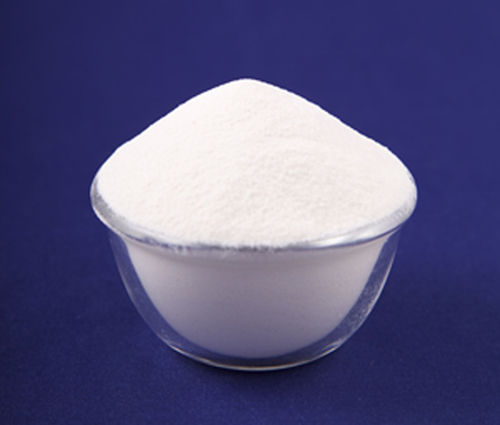
Tell us about your requirement

Price:
Quantity
Select Unit
- 50
- 100
- 200
- 250
- 500
- 1000+
Additional detail
Mobile number
Email

More Products in Iodine salt Category
Sodium Iodide
Minimum Order Quantity : 10 Kilograms
Solubility : Freely soluble in water, soluble in alcohol and glycerol
Poisonous : Other, No (but may cause irritation)
Melting Point : 661 C
Structural Formula : NaI
Ph Level : 7.0 (aqueous solution)

Manufacturer of Tungsten salt,molybdenum salt,selenium salt, tin salt and specialty of oil additives.

Mr Vinesh N Patel
(M.D.)
Mobile : 08045815927
3408/A+B GIDC, Phase-IV, VATVA,Ahmedabad - 382445, Gujarat, India

 Send Inquiry
Quick Link
|


Developed and Managed by Infocom Network Private Limited.
